
As we navigate the professional landscape of 2026, the definition of a “qualified” employee has undergone a radical transformation. While technical expertise was once the primary benchmark for success, the modern era has shifted the spotlight toward the human element. The Benefits of Soft Skills Training for your Workforce have never been more apparent, as these intangible attributes now serve as the primary engine for organizational growth and stability.
At Knowxbox, we have seen that the most successful organizations in 2026 are those that recognize that a workforce is only as strong as its ability to collaborate, communicate, and adapt.
Soft skills vs hard skills: The 2026 Perspective
For a long time, companies thought that “hard skills” – like technical abilities – were the most important, while “soft skills” – like communication and teamwork – were nice to have but not essential. But with technology advancing so quickly, this way of thinking has changed. Now, hard skills can become outdated in just a few months, which means they don’t have the same value as they used to.
In the debate of Soft skills vs hard skills, the former represents the durable, foundational abilities that allow an employee to apply their technical knowledge effectively. Hard skills might get a person hired, but it is their soft skills—such as critical thinking, emotional intelligence, and resilience—that ensure they remain valuable as technology evolves. Knowxbox emphasizes that while machines can handle data, only humans can handle the nuance of interpersonal relationships and ethical complexity.
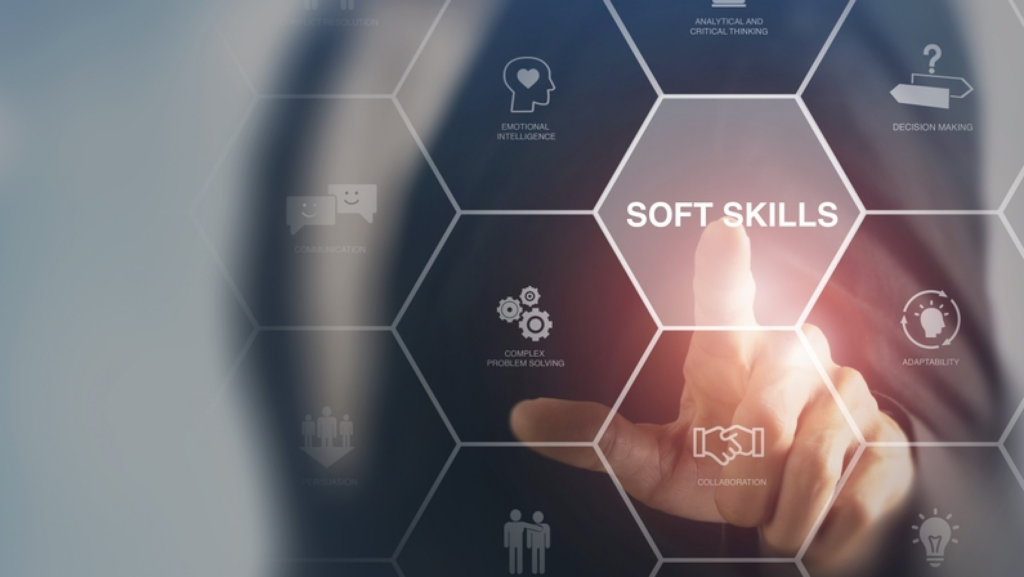
Key Benefits of Soft Skills Training in 2026
Investing in soft skills training for employees is no longer a luxury; it is a strategic necessity. Here are the most significant advantages for organizations today:
1. Improved Team Collaboration
In today’s workplace, where people work together from different places, good communication is key. When team members are trained to really listen to each other and resolve conflicts in a healthy way, it helps projects run smoothly. This kind of training can prevent misunderstandings and personality clashes from getting in the way of progress. By working together effectively, teams can achieve their goals and be successful through the Benefits of Soft Skills Training for your Workforce.
2. Enhanced Leadership Pipelines
In the year 2026, being a good leader is not just about giving orders, but about inspiring and influencing others. To achieve this, companies should focus on teaching their employees soft skills, like how to work well with others, be empathetic, and make good decisions. By doing so, they can find and develop talented individuals within their organization who have the skills needed to lead diverse teams effectively. This approach will help companies build strong, modern leaders who can thrive in today’s fast-paced business world with Soft Skills Training for your Workforce.
3. Increased Adaptability and Innovation
Having a team that’s okay with things being unclear can actually help your company come up with new ideas. Training people in soft skills can make them more open to learning and growing, so they see the big changes coming in 2026 as chances to improve rather than things to be afraid of. This ability to adapt is what sets the top companies apart from those that are struggling to keep up. It’s what makes them leaders in their field, and it’s a key part of being successful in a world that’s always changing and realizing the Benefits of Soft Skills Training in 2026.
4. Better Employee Retention and Well-being
When a company invests in its employees’ personal growth, they’re more likely to stick around. This is because people feel better able to handle stress and express their needs in a clear way. As a result, burnout becomes less of a problem and employees tend to be more satisfied with their jobs. By helping employees develop these skills, organizations can create a more positive work environment. This, in turn, can lead to a range of benefits, including lower turnover rates and improved overall well-being.
Why Soft Skills Training for your Workforce is Essential Now
In today’s world, where artificial intelligence is everywhere, the one thing that sets us apart is the “human factor”. This is what gives us a real edge over others. Knowxbox gets this, and they know that teaching Soft Skills Training for your Workforce to employees is good for the whole company. It doesn’t matter if you’re a new developer trying to explain your ideas to important people or a top executive trying to be more in tune with your emotions – these skills are what will make you successful in the future. They’re like a special currency that everyone needs. By teaching these skills, companies can help their employees grow and thrive, from the bottom to the top. This can make a big difference in how well the company does overall.
By prioritizing soft skills training for employees, businesses create a culture of psychological safety. This environment encourages risk-taking and honest feedback, which are the fundamental ingredients for breakthrough innovation in 2026.
Conclusion
The evidence is clear: the most valuable assets an organization possesses are the “soft” qualities of its people. As we move further into 2026, the Benefits of Soft Skills Training in 2026 will only continue to grow. It is time to move beyond the technical and start investing in the human skills that drive real-world results.
At Knowxbox, we believe in empowering you to reach your full potential. By concentrating on the skills that set humans apart from machines, you’re not just preparing your team for the present – you’re also safeguarding your company’s future. This approach ensures that your business remains adaptable and competitive, no matter what challenges or opportunities lie ahead.